How Michigan’s Four Seasons Affect Irrigation System Performance
Oct 19, 2026
One of the things that makes Michigan such a beautiful place to live is the variety of its seasons. We get warm summers, colorful autumns, snowy winters, and springs that bring everything back to life. Of course, anyone who has lived in West Michigan for a while knows those transitions aren’t always predictable. We can experience several seasons’ worth of weather in a single week, sometimes in a single day!
For irrigation systems, those seasonal changes present some unique challenges. A system that sits inactive beneath frozen ground in January may be watering a rapidly growing lawn by April and working through hot, dry conditions by July. Each season places different demands on the equipment, and what happens during one part of the year can influence how well the system performs during the next.
Understanding that cycle helps explain why professional irrigation care involves more than simply turning the sprinklers on in spring and off in fall.
Spring: Bringing the System Back to Life
After many months of inactivity, spring marks the beginning of another irrigation season. As the ground thaws and temperatures begin to rise, lawns, trees, shrubs, and other landscaping gradually return to active growth.
Before an irrigation system can resume regular operation, however, it needs to be brought back online properly. Winter conditions, ground movement, snow removal, and other activity around the property can affect components even when the system hasn’t been operating.
A professional spring startup involves more than restoring the water supply. It’s an opportunity to evaluate system performance, confirm that irrigation zones are operating properly, and address any issues that may have developed during the off-season.
Spring also presents an interesting challenge for irrigation scheduling. Michigan’s cool-season grasses grow actively during this period, but spring rainfall can be plentiful and inconsistent. A properly managed system accounts for natural precipitation rather than automatically applying the same amount of water every week. Getting the system started correctly establishes a foundation for the entire growing season.
Summer: When Irrigation Systems Work Their Hardest
By summer, irrigation systems are operating regularly, and the demands placed on them can increase considerably. Extended periods of heat, limited rainfall, and greater moisture loss create conditions where dependable irrigation becomes particularly important.
In West Michigan, those conditions can vary considerably from one property to another. Lake Michigan influences local temperatures and weather patterns, so lakeshore communities may experience significantly different conditions than properties farther inland.
Summer is also when irrigation systems are most likely to reveal performance issues that weren’t apparent during cooler, wetter weather. A system may have operated adequately in May, only to struggle to provide consistent coverage under July and August’s prolonged dry conditions.
That’s one reason we recommend professional mid-season inspections. Evaluating the system while it’s under greater demand allows our technicians to assess performance, make appropriate adjustments, and address issues that could otherwise affect the landscape during the busiest part of the irrigation season.
Summer performance matters for another reason, too. The more frequently a system operates, the more important efficient water distribution becomes. Properly managed irrigation helps protect landscaping while keeping unnecessary water consumption under control.
Fall: A Second Growing Season and an Important Transition
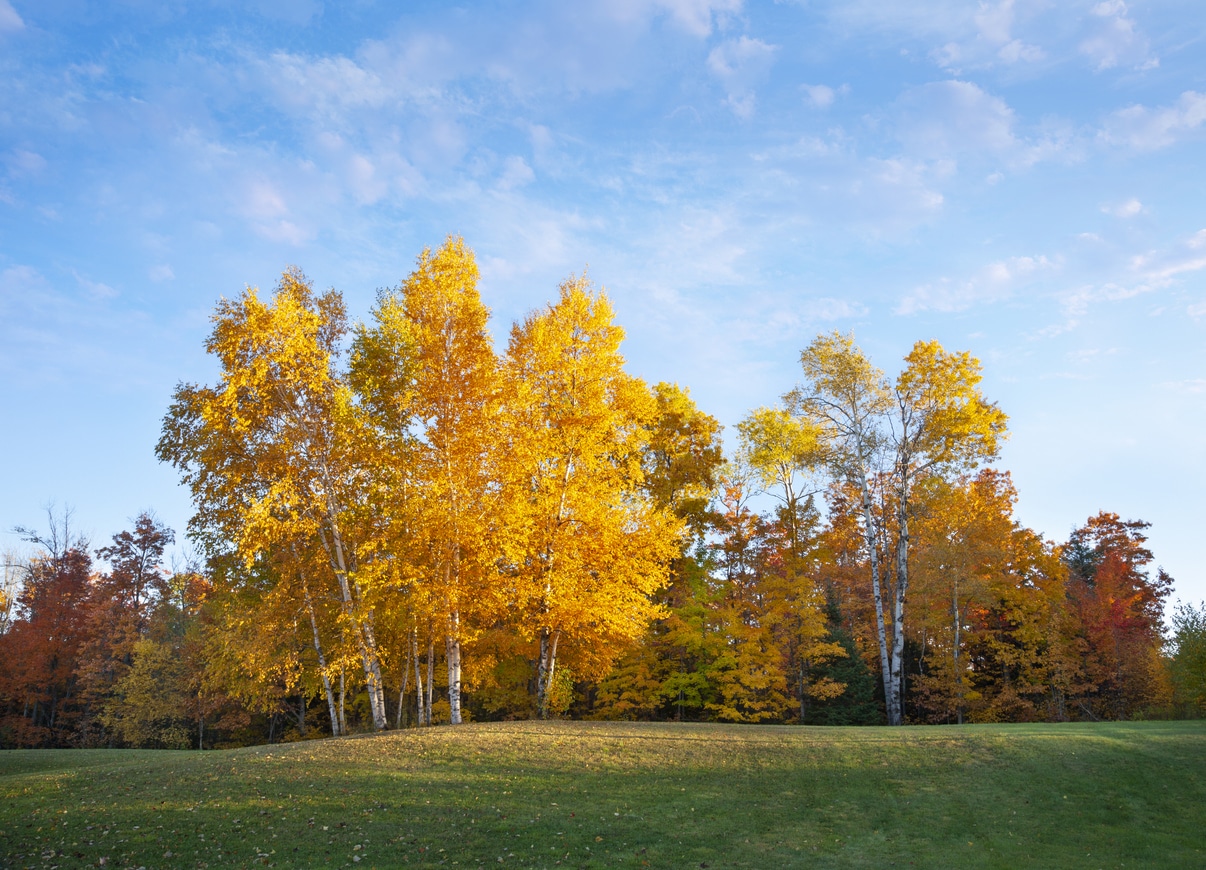
Fall is sometimes treated as the end of the landscaping season, but for many Michigan lawns, it’s actually another important period of growth. Most lawns in West Michigan contain cool-season grasses, which experience active growth during spring and again when temperatures moderate in late summer and early fall. According to Michigan State University Extension, this second growing period can continue well into autumn, depending on weather conditions.
That means irrigation may still have an important role to play after the hottest days of summer are behind us. Cooler temperatures generally reduce water demand, but dry fall weather can still leave lawns and landscaping in need of supplemental moisture. Eventually, though, attention shifts from maintaining the landscape to protecting the irrigation equipment itself.
As freezing temperatures become more likely, professional sprinkler winterization prepares the system for months of inactivity. Water remaining inside irrigation components can freeze and expand, potentially damaging pipes, valves, fittings, and other equipment. The timing of this transition matters. Shutting the system down unnecessarily early can shorten the watering season, while waiting too long can increase exposure to freezing conditions. Planning sprinkler winterization ahead of time helps property owners navigate that transition without leaving everything to the last minute.
Winter: The System Is Inactive, but the Property Isn’t
Once an irrigation system has been professionally winterized, its work is finished for the season. Underground pipes, valves, and other components remain in place while the landscape above them experiences months of freezing temperatures, snow, ice, and changing ground conditions.
Although the system isn’t actively operating, winter can still influence its condition.
Repeated freezing and thawing can cause soil movement, while snowplows, vehicles, and other activity around a property can potentially disturb irrigation components. These concerns can be particularly relevant for commercial properties where snow removal and winter maintenance are ongoing throughout the season.
Professional winterization helps protect the system from damage caused by freezing water, but it cannot prevent every potential issue associated with winter activity around the property. Winter is also a valuable time to think about the next irrigation season. For homeowners planning new landscaping or commercial property managers considering system improvements, the off-season provides an opportunity to evaluate projects, develop budgets, and begin planning installations or upgrades before spring demand increases.
Every Season Influences the Next
One of the most important things to understand about irrigation systems is that their performance isn’t isolated to a single season. Proper winterization helps reduce the likelihood of freeze-related repairs during spring startup. A thorough spring startup helps establish reliable performance before summer’s highest water demand arrives. Mid-season service helps keep the system operating efficiently through the hottest months, while fall maintenance prepares it for another winter.
For residential properties, this ongoing attention helps protect the investment in a healthy lawn and attractive landscaping. For commercial properties, it also supports consistent curb appeal, predictable maintenance planning, and the long-term performance of larger, more complex irrigation systems. The goal isn’t simply to keep the sprinklers running. It’s to make sure the system is prepared for the different conditions it will encounter throughout its operating life.
Professional Irrigation Care for Every Michigan Season
Michigan’s four seasons are part of what makes living and working here so appealing, but they also make irrigation system management more demanding. From spring startup and summer inspections to fall winterization and planning for future installations, every season brings a different set of priorities.
At Soak Irrigation, we work with residential and commercial property owners throughout Grand Rapids and surrounding West Michigan communities to keep their irrigation systems operating efficiently year after year. Our experience with Michigan’s changing conditions helps us provide the installation, maintenance, repair, and seasonal services that each property needs.
Whether you’re preparing your system for winter or planning improvements for the coming growing season, contact Soak Irrigation to learn how we can help protect your irrigation investment throughout the year.