
Why Lake Michigan Weather Makes Irrigation Planning Different
Aug 31, 2026
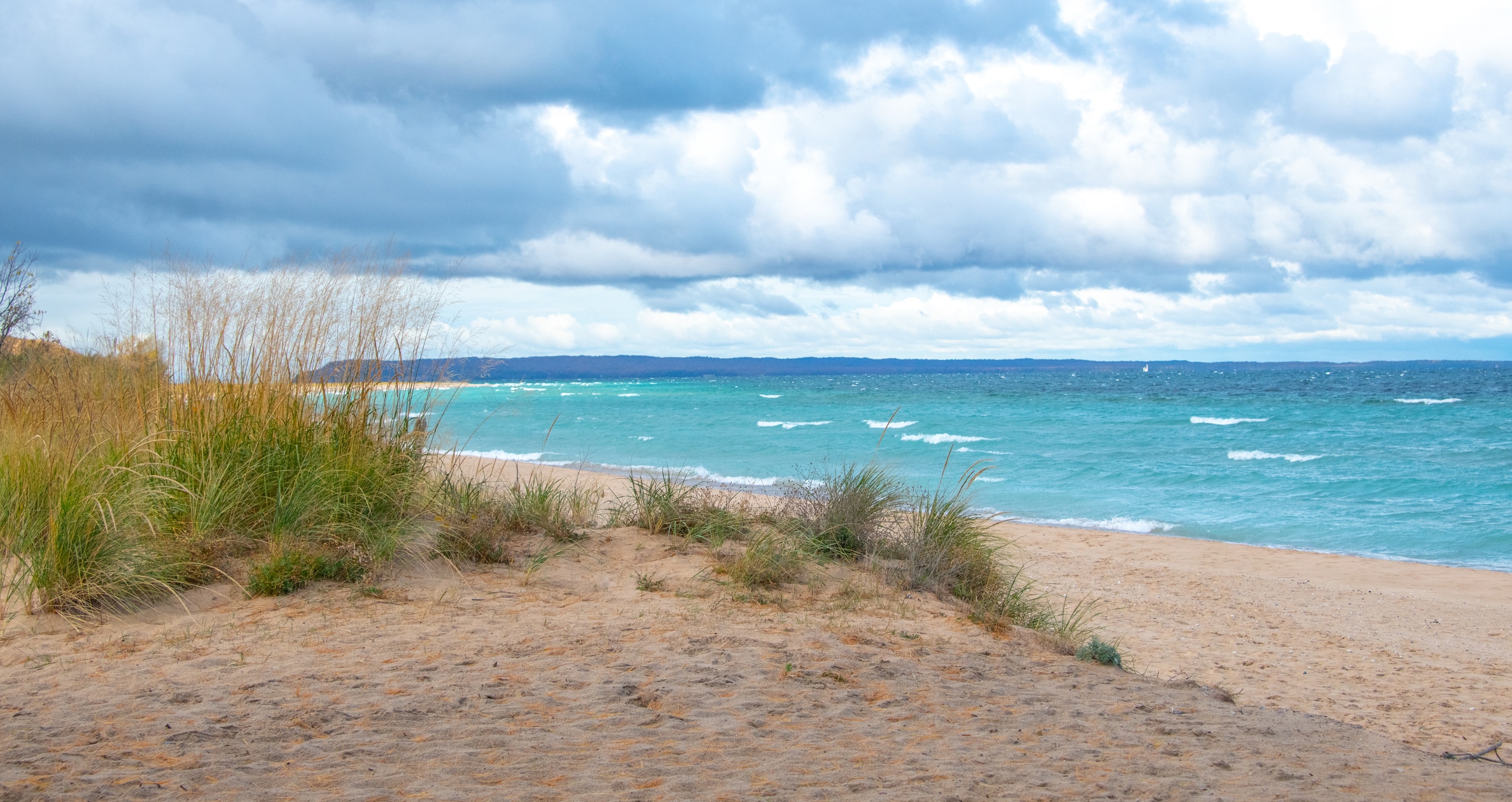
West Michigan’s climate is one of the region’s greatest assets. Lake Michigan helps moderate temperatures, supports agriculture, and creates beautiful summers for Michiganders and tourists to enjoy alike. But for property owners, the lake also creates unique weather patterns that make irrigation planning more complex than simply setting a watering schedule and forgetting about it.
From the lakeshore communities of Holland and Grand Haven to inland areas like Grand Rapids, Ada, and Rockford, weather conditions can vary significantly—even within the same day. Understanding how Lake Michigan influences local weather is one of the reasons professionally designed and managed irrigation systems perform better over the long term.
The Lake Creates Its Own Weather Patterns
Lake Michigan acts as a giant temperature regulator. During the summer, the mass of water often keeps lakeshore communities several degrees cooler than areas farther inland. Those lower temperatures can reduce evaporation and help soils retain moisture longer.
Just a short drive east, however, temperatures can climb much higher. Properties farther from the lake often experience hotter afternoons and greater moisture loss, increasing the amount of water that landscapes require to remain healthy. Because of these localized weather patterns, two properties only 30 or 40 miles apart may have very different irrigation needs.
Rainfall Isn’t Always Consistent
One of the biggest misconceptions about irrigation is that a passing thunderstorm provides enough water for every landscape. In reality, summer storms in West Michigan are often highly localized. One neighborhood may receive a soaking rain while another just a few miles away receives little or no precipitation.
Even within the same community, rainfall amounts can vary enough that some landscapes benefit while others continue to experience dry conditions. Rather than relying on the forecast alone, irrigation systems should be managed based on the actual conditions affecting each property.
Soil Conditions Vary Across West Michigan
Weather is only part of the equation. The way soil responds to rainfall and irrigation also changes throughout the region. Properties closer to Lake Michigan often have sandy soils that drain quickly, allowing water to move through the root zone faster. Inland properties frequently contain heavier clay soils that hold moisture longer but absorb water more slowly. These differences affect how irrigation systems should be designed and managed. Applying the same amount of water to every property can lead to under-watering in one location and excessive watering in another.
Landscapes Change Throughout the Season
Even if weather conditions remained constant, irrigation needs would still change as the growing season progresses. Lawns become denser, trees produce fuller canopies, shrubs mature, and landscape beds fill in. Areas that receive full sun in May may be shaded by August, while newly planted landscapes establish deeper root systems over time.
Successful irrigation planning accounts for these seasonal changes rather than relying on one schedule from spring through fall.
Professional Irrigation Management Makes a Difference
An effective irrigation system does more than simply apply water. It adapts to changing conditions throughout the growing season while delivering the right amount of water where it’s needed most.
Professional irrigation management considers local weather patterns, soil conditions, plant types, sun exposure, and seasonal changes when evaluating system performance. As conditions evolve throughout the summer, periodic adjustments help maintain healthy landscapes while using water efficiently.
Local Experience Matters
Every region presents its own irrigation challenges, and West Michigan is no exception. Understanding how Lake Michigan influences temperatures, rainfall, and soil conditions allows irrigation professionals to make informed decisions that help landscapes thrive throughout the growing season.
At Soak Irrigation, we’ve worked with residential and commercial properties throughout West Michigan communities for years. Our local experience allows us to design, install, and maintain irrigation systems that perform well despite the region’s constantly changing weather conditions.
Plan for West Michigan Conditions
Your irrigation system should be designed for the climate where you live—not based on a one-size-fits-all approach. If you’re planning a new irrigation system or want to ensure your existing system is operating efficiently, contact Soak Irrigation today. We’ll help you develop an irrigation strategy that’s built for the unique conditions of West Michigan.