
How West Michigan’s Soil Affects Irrigation Design
Nov 18, 2025
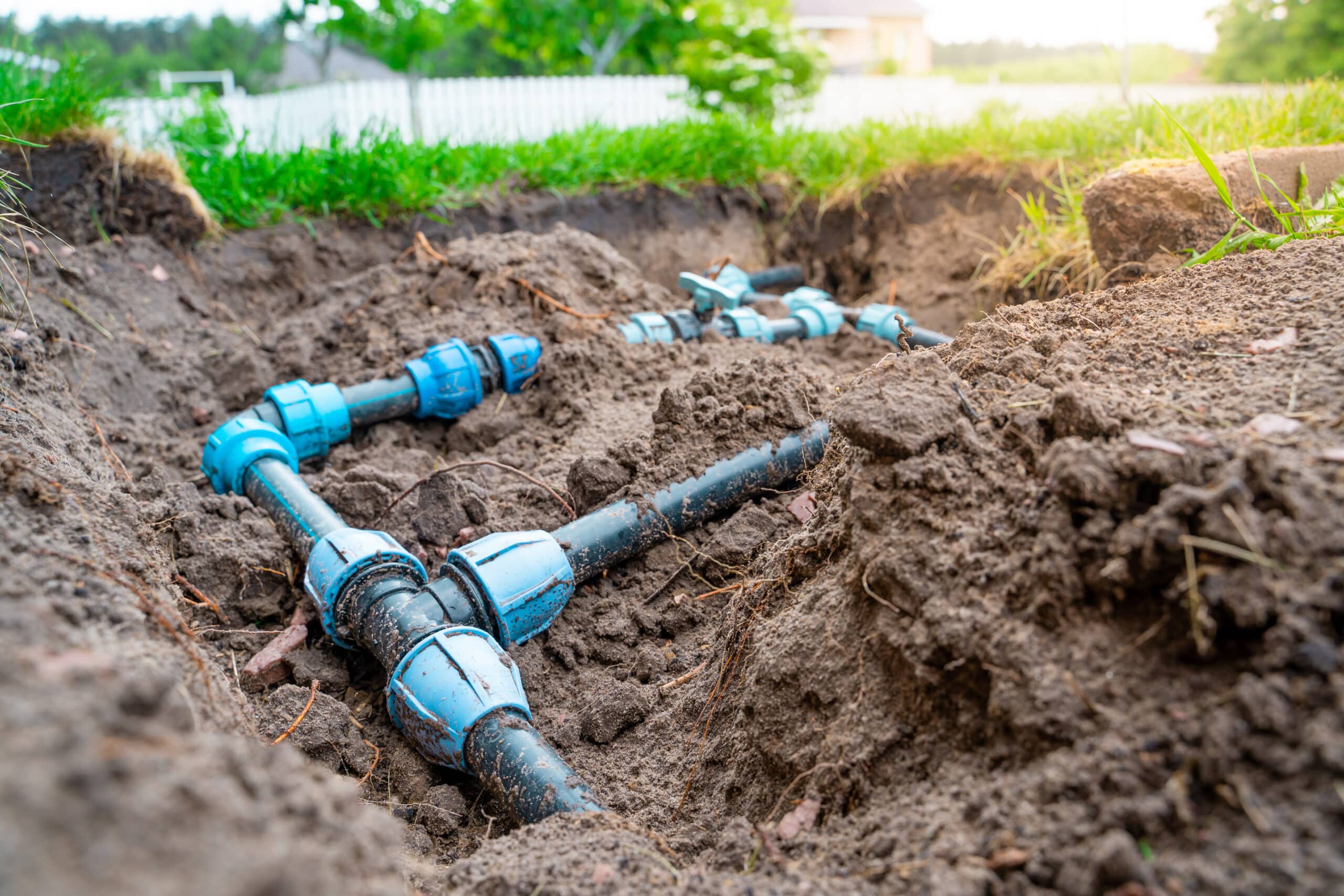
Designing an efficient irrigation system requires more than just choosing sprinkler heads and running pipe. One of the most important factors in irrigation installation is soil type, and it’s often overlooked. In West Michigan, we’re lucky to have a wide range of natural landscapes, but that also means a corresponding wide range of soil conditions that directly impact how water moves, absorbs, and evaporates.
Whether you live along the Lake Michigan shoreline or further inland near Grand Rapids, your soil type plays a big role in how your irrigation system should be designed and scheduled.
West Michigan: Many Types of Soil
Sandy Soils Near the Lakeshore
In places like Holland, Grand Haven, or Muskegon, sandy soils are common. Along with the buffer Lake Michigan provides, it’s why we have “the Napa of the Midwest” around Grand Traverse Bay while much of the rest of the Midwest has corn.
Sandy soils drain water very quickly, which can be a good thing for avoiding standing water, but it also means your plants may dry out faster. Irrigation systems in sandy areas need:
- Shorter, more frequent watering cycles to prevent water from draining below the root zone.
- Drip irrigation for garden beds to target roots without wasting water.
- Pressure-regulated heads to avoid overwatering in already porous soil.
Clay and Silt Soils Inland
Inland areas like Grand Rapids, Rockford, Ada, and Kentwood are more likely to have denser clay or silty soils. These hold water longer but drain more slowly, making them prone to runoff if too much water is applied at once.
For these areas, smart irrigation design should include:
- Slower application rates to prevent pooling or runoff.
- Longer, less frequent watering schedules to allow deep root absorption.
- Proper head spacing to ensure even coverage without oversaturation.
Mixed Soil Zones and Subdivisions
Many newer neighborhoods around West Michigan have mixed fill soils, where sandy and clay components may exist in the same yard. This is common in developments where topsoil has been redistributed. For these properties:
- Zone-based irrigation is crucial. Lawn zones may need different timing than flower beds or shaded areas.
- Soil testing may be recommended to customize scheduling and water output.
Don’t Forget West Michigan’s Weather
Our region’s unique climate, with our wet springs, dry midsummers, and unpredictable autumns, requires a flexible system. Your soil may retain moisture in spring but dry out rapidly by July. Smart controllers that adjust watering based on weather and soil conditions can help you avoid overwatering or underwatering.
Why It All Matters
Matching your irrigation design to your soil type means:
- Healthier plants and grass with deeper roots
- Less water waste and lower utility bills for you
- Reduced risk of fungus, rot, or drought stress
Local Irrigation Expertise Makes a Difference
At Soak Irrigation, we know that one-size-fits-all irrigation doesn’t work in West Michigan. That’s why we assess your soil, slope, sun exposure, and plant types before designing a custom system. From coastal homes in sandy zones to clay-heavy commercial lots inland, we build systems that water wisely.
@soakirrigation Who’s next for a new sprinkler system? #irrigation #sprinkler #fyp #sprinklertok #lawncare #sprinklers
Get the lawn you’ve always wanted. If you’re ready to install or upgrade your irrigation system, contact Soak Irrigation today for a site-specific quote tailored to your property’s unique soil and landscape conditions.