
How to Spot Heat Stress in Your Lawn and Garden
Aug 30, 2025
West Michigan summers are lovely, but they can be a mixed bag for your lawn and garden. All of the sunshine is great for enjoying the outdoors, but your plants can take the heat a little personally. While Michigan gets plenty of rain in spring and fall, July and August often bring dry conditions and occasional summer droughts that put the stress on. Along the Lake Michigan shoreline, sandy soils dry faster than the heavier clay and loam found inland. Local weather patterns create cool mornings, humid afternoons, and intense midday sun, which can dry out your landscape quickly.
In communities that highly prize their flowers and gardens – places like East Grand Rapids, Ada, Rockford, Cascade, and Holland – homeowners need to be aware of escalating temperatures and adjust their watering accordingly. Understanding how to identify heat stress early during these brief but harsh summer periods helps you protect your landscape and keep it blooming until fall.
Signs of Heat Stress in Your Lawn and Garden
1. Brown or Yellow Patches in Your Lawn
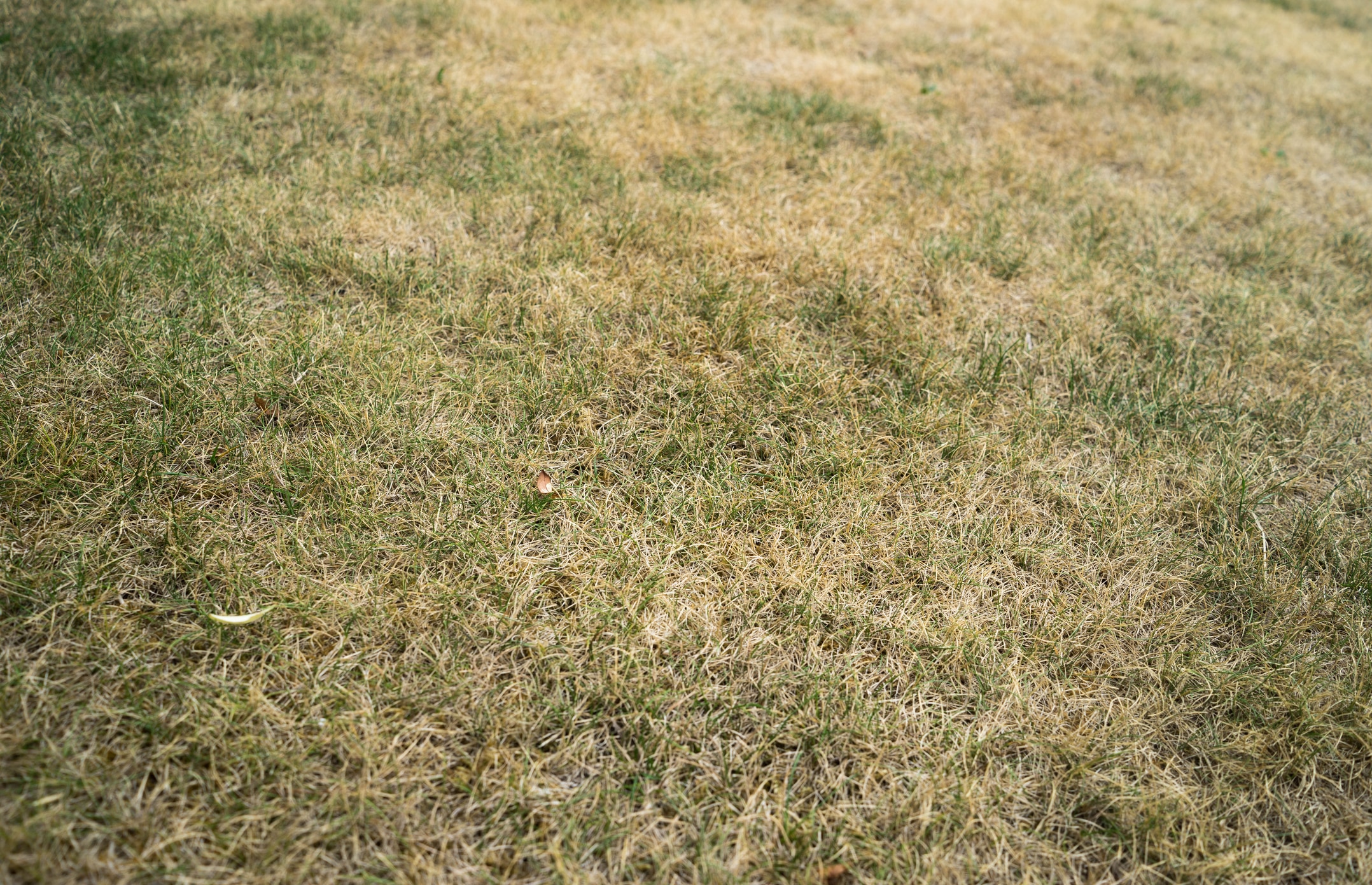
One of the most obvious signs of heat stress is the appearance of brown or yellow patches in your grass. Kentucky bluegrass and fescues, which are common in West Michigan lawns, are particularly prone to browning in hot, dry periods. Unlike fungal diseases that spread in irregular patterns, heat-stressed grass often turns dull, dry, and brittle in full-sun areas. Footprints may remain visible because stressed grass blades are less elastic.
2. Wilting or Drooping Leaves
In gardens and flower beds, leaves that droop or appear limp – even when the soil is moist – are a strong indicator of heat stress. Sensitive ornamentals like impatiens, hostas, and hydrangeas, as well as vegetable crops such as tomatoes and peppers, lose water faster than they can absorb it, leading to temporary wilting during the hottest parts of the day.
3. Curling or Scorched Foliage
When plants experience prolonged stress, leaves may curl inward or develop scorched edges. This is common in annual flowers, vegetables, and perennials during high-sun exposure in July and August. Scorching typically starts on the outer edges of leaves and works inward as the stress continues.
4. Early Flower or Leaf Drop
Some plants respond to heat stress by shedding flowers or leaves early as a survival mechanism. If your plants start dropping buds or foliage in mid-summer, it may be their way of conserving energy during extreme heat.
5. Soil Crusting and Quick Drying
Dry, compacted soil that forms a crust is a sign your lawn or garden is struggling to retain moisture. Sandy soils along the lakeshore dry quickly, while inland clay soils can harden and resist water penetration in high heat. Plants in both types of soil are more prone to stress without supplemental watering.
How to Help Your Lawn and Garden Recover and Survive
- Water Deeply and Early: Morning watering allows moisture to penetrate roots while minimizing evaporation.
- Adjust Irrigation Schedules: Increase watering frequency during heat waves, but avoid shallow daily watering that encourages weak roots.
- Mulch Garden Beds: Mulch helps your soil retain moisture, reduces evaporation, and keeps roots cooler.
- Inspect Your Irrigation System: Misaligned heads, leaks, or clogged nozzles can worsen stress in dry conditions.
- Focus on Local Timing: Monitor your lawn closely during late July through mid-August, when West Michigan is most vulnerable to heat stress.
Protect Your Landscape During the West Michigan Heat
Spotting heat stress early can save your lawn and garden from long-term damage. If you see signs of wilting, browning, or early leaf drop, it’s time to check your irrigation system and adjust your watering strategy.
If you need help keeping your landscape green during summer heat, contact Soak Irrigation for a mid-summer inspection. We can give you expert advice on protecting your West Michigan lawn and garden from heat stress.