
Is 2026 the Year You Invest in an Irrigation System?
Jan 30, 2026
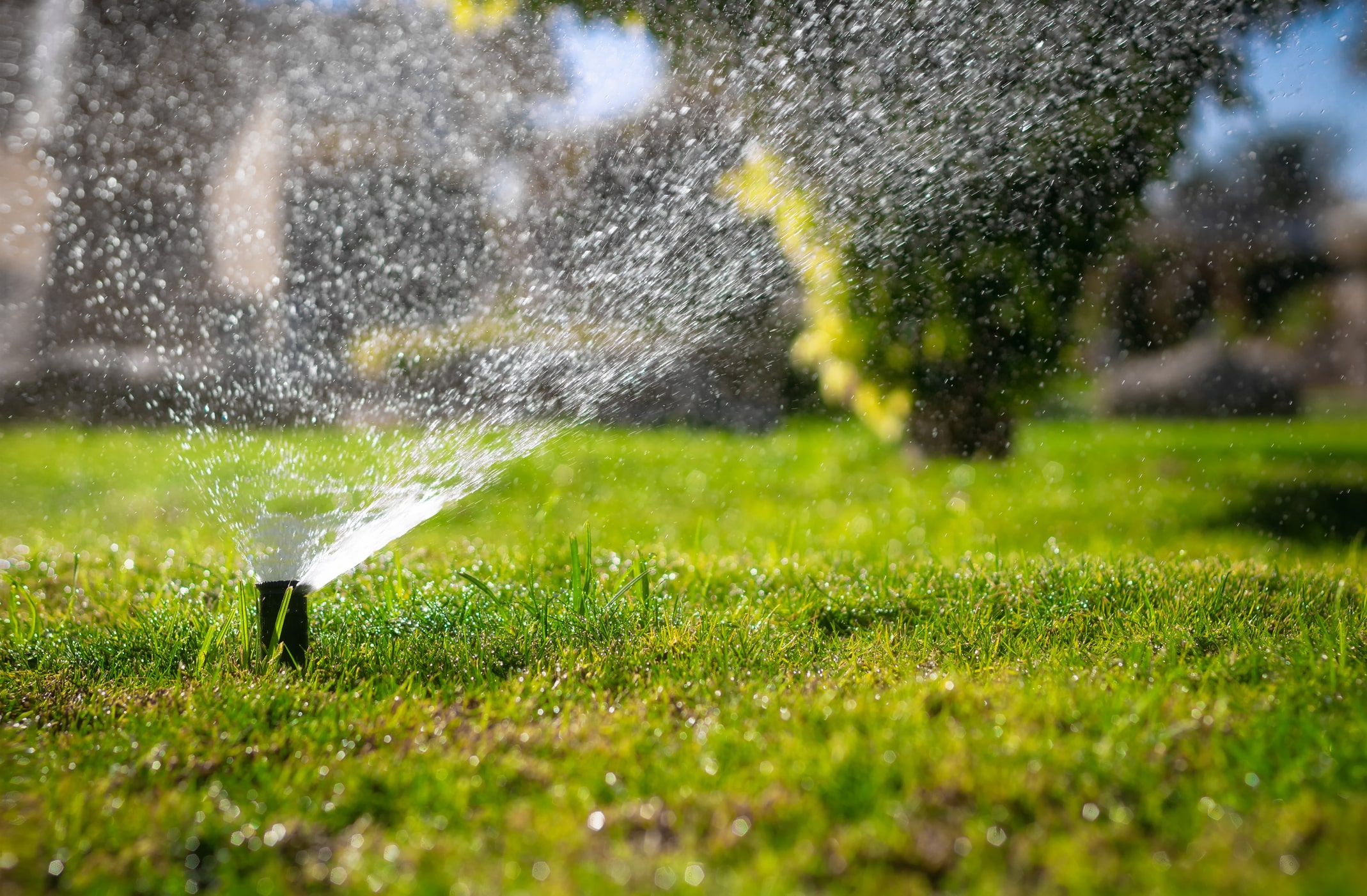
In West Michigan, spring planning starts early. By late March, most homeowners are already thinking ahead to yard work and upgrades they want finished before summer arrives. They want to get a jump on the best part of the year. Is installing an irrigation system on your list of goals for 2026? If so, there’s a good reason. Small frustrations will tend to resurface every summer until you fully address them.
If you experience these common problems with your lawn, it’s time to stop guessing with watering and put a real irrigation system in place.
You’re fighting West Michigan soil, not just dry grass
Many lawns across West Michigan sit on heavy clay soil, which makes watering more complicated than it first appears. Instead of soaking in evenly, water tends to run off, collect in low spots, or disappear before roots can actually benefit from it. Sloped yards and compacted areas make the problem worse, especially in established neighborhoods.
Homeowners often start noticing the same patterns:
- Water pooling near sidewalks or at the base of slopes
- Grass drying out even after a thorough watering
- Certain sections of the lawn consistently looking weaker than others
The issue usually isn’t how often you water, but how you apply it. Clay soil needs slower, controlled cycles that give moisture time to absorb rather than rush away. A properly designed irrigation system applies water in stages that match these conditions, helping moisture reach the root zone instead of ending up on the pavement.
A custom approach matters in places like Grand Rapids, Holland, Ada, and nearby communities, where mixed soil types and uneven grading are common. Lawns respond better once watering aligns with the soil beneath them
Your lawn doesn’t hold up through summer
Many West Michigan lawns look healthy in spring, helped along by cool temperatures and regular rainfall. By mid-summer, that advantage fades. Thin patches appear, color drops off, and it becomes harder to regain momentum.
The underlying issue is usually early-season watering. Lawns here need steady moisture in spring to build roots that can handle heat and dry stretches later on. Without that foundation, summer watering turns into damage control rather than maintenance.
Early-morning, scheduled watering supports root growth before stress sets in. An irrigation system keeps that timing consistent, even when daily routines or weather changes make manual watering unreliable.
You’re watering, but the lawn still struggles
Hoses and portable sprinklers can handle small patches, but they fall apart once a yard gets larger or more complex. Coverage becomes uneven and watering starts to feel like a moving target. Over time, the effort adds up without producing reliable results.
Many homeowners fall into the same routine:
- Repositioning sprinklers every 20–30 minutes
- Guessing how long to water each section
- Forgetting to water during busy weeks
The time investment is real, but the results are inconsistent.
An irrigation system simplifies this process by dividing the yard into zones designed around sun exposure and slope. Consistent water delivery across those areas reduces dry spots and promotes more even growth without daily effort.
You don’t want landscaping to go to waste
New sod, young trees, shrubs, and planting beds are common spring projects in West Michigan. They look great at first, but inconsistent watering can quietly set them back. The problems usually don’t show up until weeks later.
The first year or two sets the tone. Roots need regular moisture to establish. If they get too much water one day and none the next, shallow roots and stressed plants tend to follow.
An irrigation system supports:
- New sod taking hold evenly
- Trees and shrubs establishing deeper roots
- Beds staying healthy during dry stretches
As a result, the money you’ve already spent on landscaping actually pays off long term.
Manual watering doesn’t fit summer schedules
West Michigan summers are short, and most people want to enjoy them. Between travel, kids’ activities, long workdays, and weekends at the lake, watering is easy to miss. Skip a week during a hot stretch, though, and the lawn feels it right away.
Automated irrigation keeps watering on track whether you’re home or not. Seasonal adjustments help match changing conditions, and modern systems reduce unnecessary watering after rain. The result is less stress for you and more consistent results for the yard.
You’re planning other exterior improvements this year
Late March is when homeowners start lining up spring projects. Driveways. Patios. Landscaping. If irrigation is already on your radar, it often makes sense to plan it alongside other work.
Installing early means:
- The lawn benefits for the full growing season
- New grass and plants have time to establish properly
- Mid-summer repairs and workarounds are easier to avoid
Planning ahead avoids rushed decisions later. Taking the time upfront helps ensure the system matches the yard it’s meant to serve.
When homeowners usually say yes to irrigation
For most people, the decision isn’t emotional. It’s practical. They realize they’re already spending time, money, or effort trying to solve the same problem every year.
Common tipping points include:
- Repeated summer lawn stress
- Uneven watering no matter what you try
- Protecting new landscaping
- Wanting a consistent lawn without constant attention
At that point, irrigation stops feeling like a luxury and starts feeling like a way to make lawn care predictable.
Planning now sets the tone for the season
West Michigan’s growing season moves fast. Once it’s in full swing, you’re reacting instead of preparing. Planning irrigation early on gives you control before problems show up. It helps you avoid playing catch-up later and simplifies watering. It supports healthier growth and reduces the time spent managing the lawn.
If you’ve been asking yourself whether this is the year, it probably is. Get the lawn you’ve always wanted in 2026 by contacting Soak Irrigation today.