
How Winter Affects Sprinkler Systems in West Michigan
Jan 13, 2026
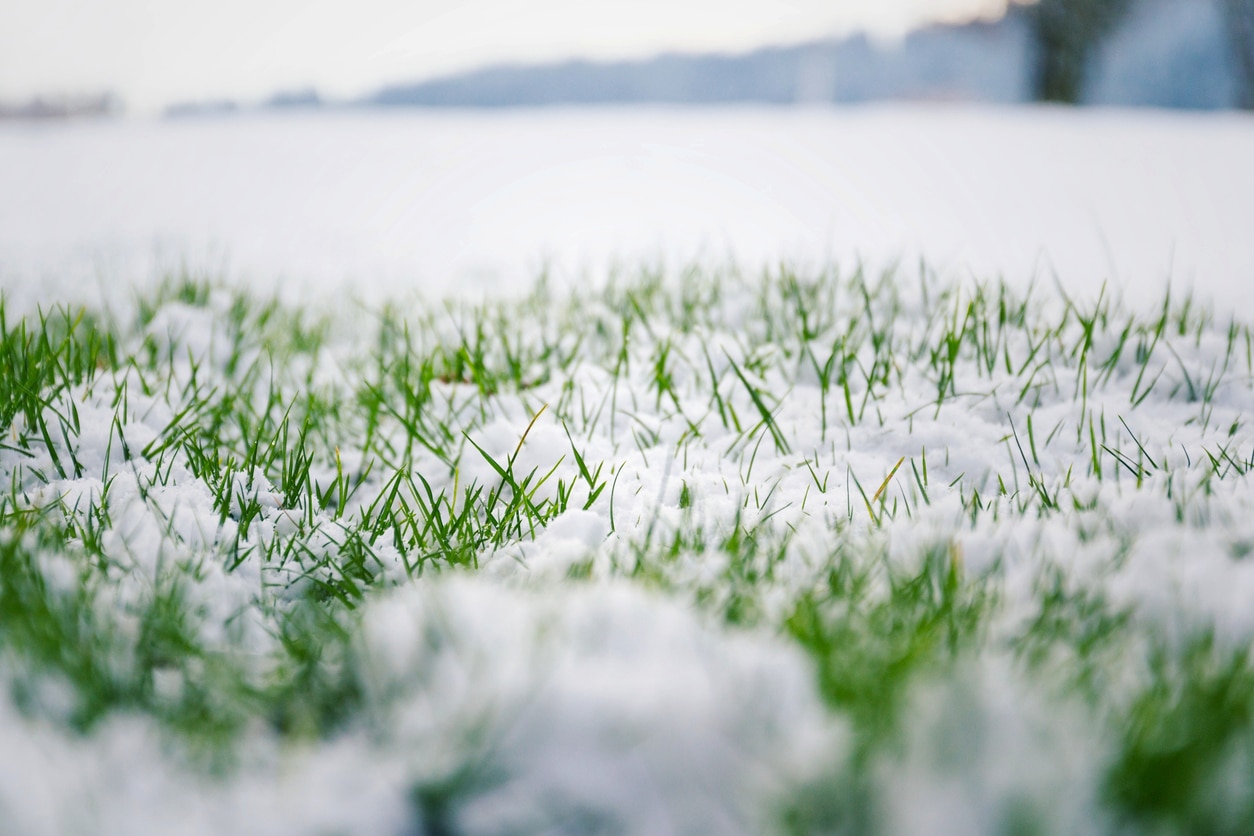
This winter West Michigan has been experiencing the hallmark unpredictability of a La Niña winter, and that has big implications for lawns and irrigation systems. We saw a stretch of colder-than-normal temperatures after Thanksgiving, followed by a major flip: significantly warmer conditions through the end of December. Since then we’ve had more freeze-thaw cycles. Breaks from the cold might feel like relief, but they introduce a hidden risk for your sprinkler system.
The Toll Winter Takes on Your Sprinkler System
Frequent freeze-thaw cycles, common in La Niña years, can cause the ground to expand and contract more aggressively than usual. Even if a sprinkler system was winterized correctly, this up-and-down temperature pattern can shift or stress underground components like pipes and heads. The result is problems that often aren’t detected until spring startup.
However, if your system wasn’t winterized properly or early enough, winter conditions can lead to serious damage. Let’s break down how winter affects sprinkler systems, what to watch for, and what to do about it when the snow melts.
1. Freezing Water Inside Pipes
The #1 way winter affects sprinkler systems is by freezing any remaining water inside the pipes. If the water wasn’t fully blown out of the system before the first hard freeze, it expands as it turns to ice. This can cause:
- Cracked PVC or poly pipe
- Burst fittings or valves
- Damaged backflow preventers
- Sprinkler heads that split open or lift from the ground
Even one cold snap before proper winterization can result in necessary repairs when spring comes.
2. Ground Shifting from Freeze-Thaw Cycles
In West Michigan, especially in areas with clay-heavy soils like Grand Rapids or Byron Center, the freeze-thaw cycles can cause the ground to expand and contract. This movement can:
- Shift or misalign sprinkler heads
- Expose shallow pipework
- Cause uneven spray patterns once the system is active again
Snow cover does offer some insulation, but once that melts and temperatures fluctuate, soil movement becomes more likely.
3. Cold Damage to Metal & Plastic Components
While underground lines take most of the spotlight, above-ground components and mechanical parts like the controller, valve boxes, or manifolds can also be affected by winter temperatures.
Plastic parts become brittle in the cold and may crack under snow weight or shifting ground. Metal components may corrode or loosen due to repeated freezing and thawing. Cold is a powerful force.
4. Risk of Delayed Detection
Though the La Niña pattern is expected to weaken by February or March, NOAA reports that its effects will likely linger throughout winter. That means West Michigan can expect continued temperature swings, possible rain events followed by sudden freezes, and plenty of storm variability.
One of the most frustrating ways winter affects sprinkler systems is that damage isn’t usually discovered until spring startup. Leaks or cracked pipes won’t show until the system is pressurized. This is often weeks after the snow has melted. This makes early spring inspections essential, especially for systems that may have missed full winterization.
How to Prevent Winter Damage to Your Sprinkler System
To avoid these costly issues, the best approach is proactive care:
- Proper winterization (blowout service) before the first hard freeze
- Insulating backflow devices and exposed piping
- Early booking for spring startup to catch problems before lawn season begins
Winterization is already off the table this year, but it’s not too late to prepare for spring. Book a system audit now so you’re first in line for a repair or upgrade.
Plan Ahead with Soak Irrigation
At Soak Irrigation, we know how unpredictable West Michigan winters can be and how those conditions affect your irrigation system underground. Whether you’re a homeowner in East Grand Rapids or a property manager in Holland or Rockford, our team is ready to inspect, repair, or upgrade your system so you’re set for spring.
If you are worried your system may have frozen, book a spring startup inspection now to prevent leaks and wasted water later. Your lawn will thank you.