Signs Your Commercial Property Needs an Irrigation System Upgrade in 2026
Apr 28, 2026
Commercial landscapes in West Michigan take more abuse than most people realize. Heavy clay soil. Freeze-thaw cycles. Uneven grading. Add foot traffic, parking lots, and long building setbacks, and commercial irrigation systems get pushed hard year after year.
By 2026, many systems that were installed a decade ago are still running, but they’re not necessarily working well. You may be seeing problems showing up gradually, not all at once. Your water bills creep up and turf quality slips. This means maintenance crews spend more time compensating for coverage gaps.
If you manage or own a commercial property, the following are some of the clearest signs an irrigation upgrade should be on your radar this year.
Coverage is uneven across large zones
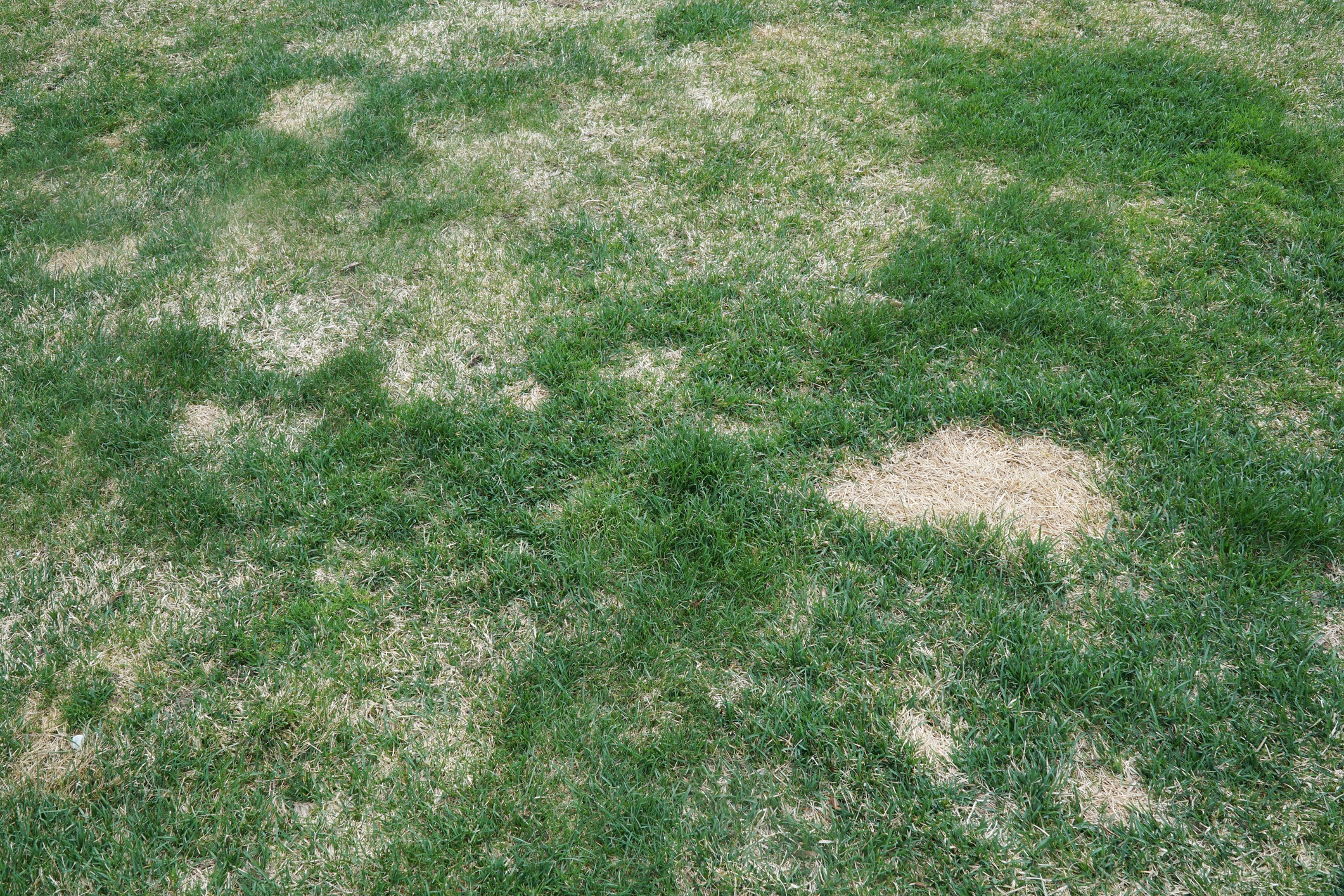
Uneven watering is one of the first indicators a system has fallen behind the property’s needs. In West Michigan, soil compaction and grading shifts over time make this worse, especially around entrances and parking areas.
You might see:
- Brown or thin turf near curbs and pavement
- Overly saturated areas near low points
- Landscaped beds that never quite recover
Older systems often rely on broad zones that no longer match how the property is used. As landscapes mature and traffic patterns change, those zones make less sense. Upgrading allows coverage to reflect real conditions instead of legacy layouts.
You’re compensating with manual fixes
Maintenance teams often shoulder the burden when irrigation systems underperform. They pull out hoses, repeatedly adjust sprinkler heads, and increase watering during dry spells. These manual workarounds point to deeper system issues. They consume time and labor but rarely resolve the core problem. Over time, crews focus more on maintaining appearances than sustaining a truly healthy landscape.
An upgraded system reduces that friction by delivering consistent coverage without constant intervention. This shift alone often frees up significant maintenance hours.
Water bills keep rising without visible improvement
In West Michigan, water costs reflect efficiency as much as volume. Older irrigation systems tend to overwater some areas while still leaving others dry.
If your water bills rise but turf quality doesn’t improve, something is off. Leaks, outdated controllers, and inefficient spray patterns all contribute. These issues are easy to miss because the system technically still runs.
Modern irrigation upgrades focus on control. Smarter scheduling, better zoning, and improved hardware help water reach the right places at the right time. As a result, properties often see better results with less waste.
The system can’t adjust to weather conditions
You know what they say about the weather in Michigan: “If you don’t like the weather, stick around for 15 minutes. It’ll change.”
Weather variability is a constant in West Michigan. We have wet springs and dry summers. We get sudden heat waves and polar vortexes. Systems that run on fixed schedules struggle to keep up with changing and sometimes extreme conditions.
If irrigation continues running after heavy rain or fails to adapt during extended dry periods, the system is no longer aligned with reality. That leads to stressed turf, runoff, and unnecessary costs. Upgraded systems allow for seasonal adjustments and weather-based controls. Those features help landscapes stay consistent without constant manual oversight.
Repairs are becoming routine
Every irrigation system needs maintenance. The warning sign is how often it’s happening, especially when the same issues keep cropping up. If repairs have shifted from occasional to routine, the system may be reaching the end of its practical life. Aging components fail more often, and replacement parts become harder to match to older designs. At a certain point, repairs stop being cost-effective. Upgrading reduces ongoing service calls and stabilizes long-term maintenance planning.
The property’s use has changed
Many commercial properties evolve over time. New tenants move in. Landscaping gets refreshed. Parking areas expand. Pedestrian traffic increases.
Older irrigation systems weren’t designed for those changes. Zones that once made sense no longer align with how the space functions. Water ends up hitting pavement instead of plantings, or missing new landscape areas entirely. An upgrade allows the system to match current site use, not outdated plans.
The hidden costs of delaying your commercial irrigation upgrade
Delaying an upgrade often feels like saving money. In reality, the costs just shift elsewhere.
You spend more money on labor as maintenance crews compensate for inefficiencies. Water waste adds up month after month. Turf replacement becomes more frequent as stressed grass fails to recover. Over time, the landscape becomes harder to maintain at an acceptable standard.
There’s also the visual impact. Commercial properties rely on curb appeal. Patchy turf and struggling landscapes affect tenant perception and customer experience, even if the issue isn’t consciously noticed. In practice, delaying an upgrade usually costs more over several seasons than addressing the system proactively.
Planning ahead puts you back in control
Upgrading irrigation works best when it’s planned, not rushed. Early planning allows time to assess coverage, redesign zones, and choose solutions that fit the property’s layout and soil conditions.
For West Michigan commercial properties, that preparation matters. Systems that account for local soil, grading, and weather patterns perform more consistently and require less intervention.
An irrigation upgrade isn’t about adding complexity. It’s about restoring predictability. When water delivery aligns with the property’s needs, landscapes stabilize, costs level out, and maintenance becomes manageable again. If these signs are already showing up in your commercial property, now is a good time to address them before small issues turn into ongoing expenses.
Schedule a system assessment with Soak Irrigation today and take the first step toward smarter irrigation in 2026.