Water Costs in West Michigan: What Property Owners Need to Know
Mar 21, 2026
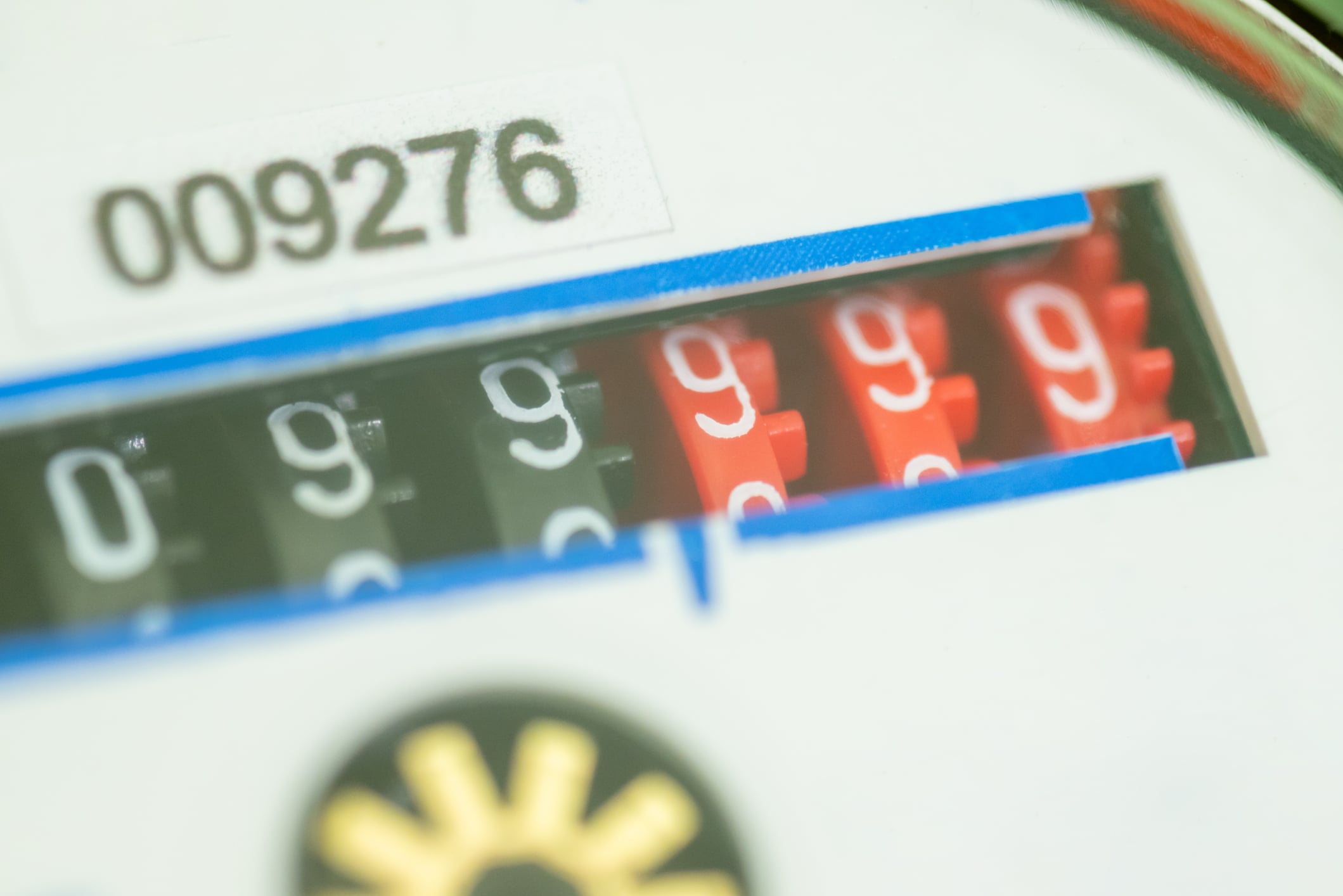
Water has long been one of West Michigan’s most valuable natural resources, but it’s no longer as inexpensive as many homeowners and property managers assume. Across the region, water and sewer rates are rising. For properties with irrigation systems, those increases can have a noticeable impact on budgets.
Whether you manage a commercial property in Grand Rapids or own a home in Forest Hills, understanding how water costs are changing and how to control them is becoming increasingly important.
Water Costs in West Michigan Are on the Rise
In Grand Rapids, residents are seeing annual increases in water rates, with recent updates showing costs continuing to climb year over year. While the quarterly impact may seem small for individual households, the cumulative effect over time and across high-usage months adds up quickly.
In some parts of West Michigan, the situation is even more dramatic. A recent Georgetown Township rate increase of over 55% sparked concern among residents and property owners, highlighting how infrastructure costs and regional water supply agreements can significantly influence local pricing.
For irrigation users, especially during peak summer months, these increases can translate into substantially higher operating costs.
Why Irrigation Systems Are Affected Most
Irrigation systems are one of the largest drivers of seasonal water usage. During hot, dry periods in July and August, water demand spikes as lawns and landscapes require consistent hydration.
For homeowners, this can mean higher monthly utility bills For commercial properties, spikes in water rates can mean thousands of dollars in added seasonal costs If a system is inefficient—overwatering, leaking, or poorly programmed—those costs increase even further.
The Hidden Cost of Inefficient Systems
Many irrigation systems waste water without property owners realizing it. Common issues include:
- Sprinkler heads watering sidewalks or pavement
- Systems running during or after rainfall
- Poor zoning that overwaters some areas and underwaters others
- Leaks or pressure issues that go unnoticed
These inefficiencies don’t just waste water, they directly increase your utility bill.
Smarter Irrigation = Lower Costs
The good news is that there are effective ways to reduce water usage without sacrificing a healthy landscape.
Modern irrigation solutions include:
- Smart controllers that adjust watering schedules based on weather
- Zone optimization to match water delivery to plant and soil needs
- Drip irrigation systems that reduce evaporation and runoff
- Regular inspections to catch leaks and inefficiencies early
These upgrades can significantly reduce water usage, often by 20–50%. This directly offsets rising utility costs.
A Growing Priority for Commercial Properties
For commercial property managers, water costs are becoming a key operational consideration. As budgets tighten and utility rates rise, efficient irrigation is no longer optional, it’s part of responsible property management.
Reducing water waste helps:
- Control operating expenses
- Maintain consistent landscape quality
- Support sustainability and ESG goals
- Improve tenant and visitor experience
Plan Ahead as Costs Continue to Climb
Water rates in West Michigan are unlikely to decrease. As infrastructure ages and demand grows, gradual increases will continue to impact both residential and commercial properties.
The best approach is proactive. Optimize your irrigation system now to control costs in the future.
Take Control of Your Water Usage
At Soak Irrigation, we help West Michigan property owners design, upgrade, and maintain irrigation systems that use water efficiently, without sacrificing performance. From Wyoming to Walker to East Grand Rapids, we understand the local conditions and cost pressures that affect your property.
Contact Soak Irrigation today to schedule a system evaluation and start saving on your water costs.